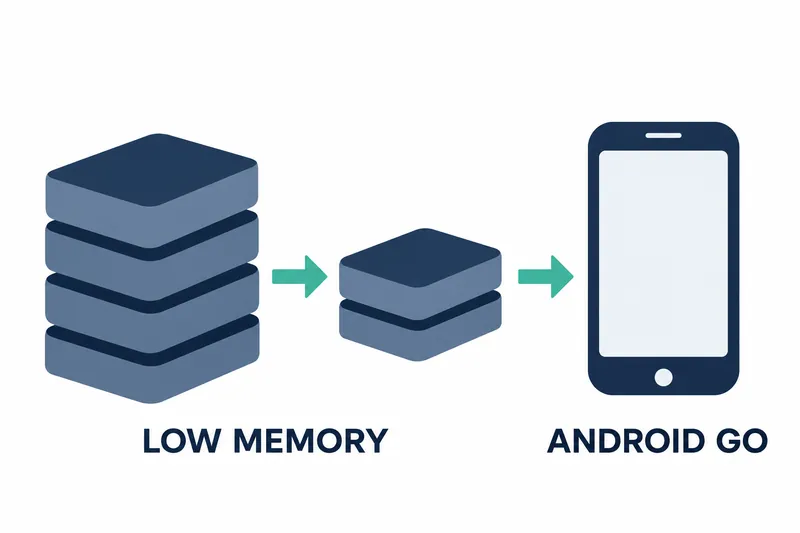
Google has expanded Gemini app availability to eligible low-memory Android Go phones. Beyond basic voice commands, users can hold voice conversations, translate documents with the camera, and create custom images.
1. App redesign supports low-memory devices
On November 18, 2026, Google announced expanded Gemini app support for devices with limited memory. It said it redesigned the app so core features run smoothly on low-memory hardware. Like rearranging tools on a small workbench, it adapted the app's structure to fit less memory.
According to Google, low-memory Android devices are everyday tools for hundreds of millions worldwide to access the internet, learn, and conduct business. It said hardware constraints had previously limited these phones to basic voice commands. This announcement focuses on bringing a personal AI assistant to those devices.
2. Using voice, camera, and image features
Gemini Live lets users talk instead of typing lengthy requests. Google's example is practicing interview answers aloud. According to the company, the feature supports more than 45 languages.
The camera offers an input method that reduces manual transcription. Google showed how pointing it at notes or documents can help users learn about or translate their contents. Alongside spoken input, it presented a way to work with materials in front of users.
Users can create custom images with the image generation tool Nano Banana. Google's example is a flyer for a weekend bakery event. This extends low-memory device support beyond questions and answers to creating visuals for everyday life or business.
3. How to download and launch the app
Users who want to install Gemini themselves can download the app from Google Play. Google also explained how to launch it by long-pressing the power button on supported phones. It provided both the download route and the device action needed to get started.
The app will also come preinstalled on upcoming partner devices. Google named Transsion as an example of a partner. Besides downloading it on existing phones, users will have another route through apps bundled with newly released devices.
4. Expanding access by addressing hardware constraints through app design
The benefit for users is access to a wider range of AI tasks even on phones with little memory. The work needed to enable this shifted to redesigning the app. This shows that improving software, not just raising hardware specifications, can broaden the user base.
However, support covers only eligible Android Go phones, and the announcement gives no figures for memory savings or speed comparisons across devices. Its achievement is therefore a broader feature set on existing hardware rather than a quantified speed gain.
The key to this expansion is redesigning the app to make low-memory phones more useful rather than requiring more memory.