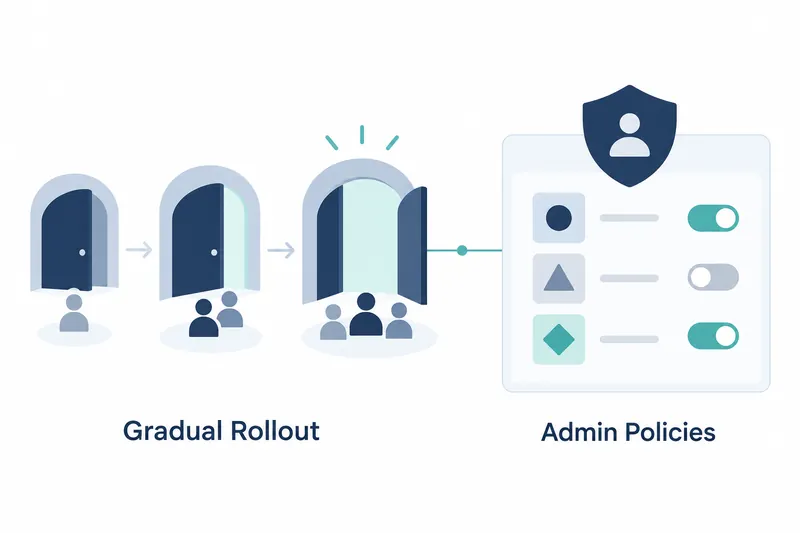
GitHub's coding assistant has added a new AI model for everyday coding and terminal tasks. Paid users can select it from their development tools' model pickers, and organization administrators can allow or restrict its use. The rollout is gradual.
1. A lower-cost option for everyday coding
GitHub announced general availability of GPT-6.1 Terra on October 26, 2026. OpenAI's new model targets agentic coding, which carries out tasks delegated by developers, and terminal work. The company described focused bursts of multistep work on well-defined tasks.
According to the company, GPT-6.1 Terra is designed to handle everyday tasks at a lower cost than GPT-6.1 Sol. The cost comparison is with another model from the same company. This addition gives users another option when weighing model costs for their tasks.
Early testing compared it with GPT-5.6 Terra. According to the company, the new model solved notably more terminal and C# coding tasks than that model. The earlier model used for testing differs from the model used as the cost benchmark.
2. Available through the model picker on paid plans
Supported plans include Copilot's paid individual and organization plans. Individual plans include Copilot Pro and Pro+.
Max is also eligible. Individual users can check whether their plan is supported, then look for the new model in the model picker.
Copilot Business and Enterprise users are eligible on organization plans. Individual users should check their plan and model list, while organization users should also check their administrator's access settings.
The model is selected through the model picker in supported products. It can also be selected through this menu in Visual Studio Code and Visual Studio.
Copilot CLI for terminal use and GitHub Copilot cloud agent for delegated development tasks are also supported. Access to the same model extends beyond editors to terminals and tools that carry out delegated work.
It can also be selected in the GitHub Copilot app and on github.com. Access is available not only within development tools but also through a standalone app and the website.
On mobile, the GitHub mobile apps for iOS and Android are supported. Other development tools include JetBrains integrated development environments, programs that bring development features together, as well as Xcode and Eclipse.
If the model does not appear in the list yet, check again later. GitHub says it is rolling out gradually.
3. Organizations manage default enablement and individual access
Business and Enterprise administrators can manage access through model policies in Copilot settings. Members have a menu for selecting models, while organizations have separate settings for permitting their use.
The default model enablement policy automatically enables new models. Automatic enablement does not apply if an administrator has turned off the overall default or explicitly disabled this model.
Administrators should check both the default for all new models and the setting for this model. These settings let them decide whether to keep accepting new models by default or adjust access to a specific model.
4. Weigh cost advantages alongside usage-based billing
This model uses usage-based billing and the provider's published prices. GitHub points users to Copilot's model and pricing documentation for specific rates. Users can check those rates and assess costs against their expected usage.
The benefit is another model aimed at relatively low-cost everyday coding, with organizational access controlled through policies. Actual usage brings costs, so adoption decisions must consider both model access and usage volume.
The key change is more choice for everyday coding, alongside the need for organizations to consider default enablement policies and usage-based billing together.