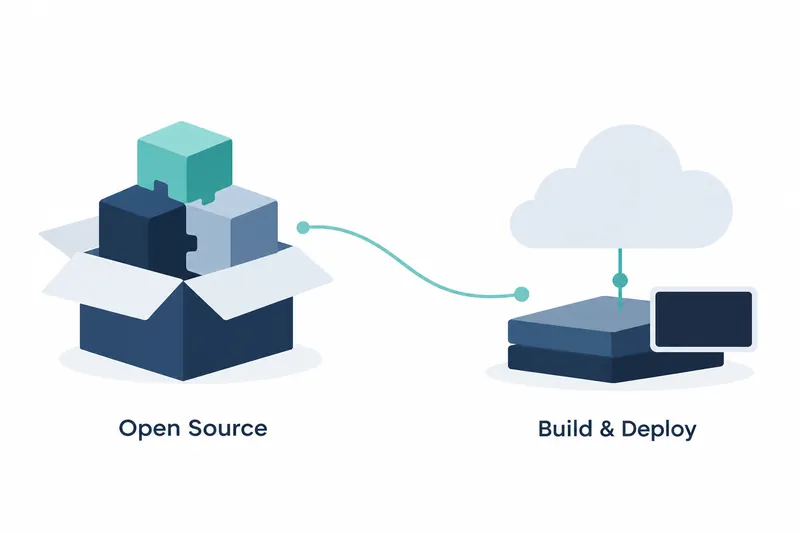
Cloudflare has released development tools spanning web interfaces, server and database connections, and deployment. Teams building internal apps can deploy to an administrator-controlled shared environment instead of granting each employee cloud access.
1. Development tools and a deployment environment released together
Void comprises an SDK for building apps, a CLI for provisioning resources and deploying, and a Platform for shared team deployments. The source says all three ship as one JavaScript package and a Vite plugin. Install with npm install void.
The initial plan was a single private platform for users to deploy apps. After VoidZero joined Cloudflare, the project shifted to installable open source. It targets firms encouraging internal apps but reluctant to expand employee cloud access.
2. Requirements for operating a shared deployment environment
Void Platform runs on Workers for Platforms, which hosts multiple apps in a company's Cloudflare account. Administrators set access rights and resource limits and view deployments and usage via the CLI or dashboard. Approved users deploy apps there.
Self-hosting requires an account with Workers for Platforms and R2 enabled. You also need a PostgreSQL database, an account with your chosen login provider, and a domain for your apps.
You can clone the platform code to integrate internal systems or change deployment procedures. The source also suggests adapting it for other deployment platforms. That requires code changes, not immediate deployment to other environments.
3. Provisioning resources used by code at deployment
Void SDK turns Vite apps into full-stack apps on Cloudflare Workers. It infers required resource connections from app code and provisions resources such as databases and queues at deployment. The tools handle manually linking code to cloud resources.
To get started, add the plugins to your Vite configuration. Here is the example from the source.
import { defineConfig } from "vite";
import { voidPlugin } from "void";
import { voidReact } from "@void/react/plugin";

export default defineConfig({
  plugins: [voidPlugin(), voidReact()],
});
For example, importing void/db provides a local database during development and automatically provisions D1 for production deployment. It also carries data type information from the database through to the interface.
SDK features can be combined selectively. An existing framework can handle routing and rendering while the SDK handles resource access and authentication. There is no need to view it as a tool requiring replacement of an app's entire structure.
4. Deployment commands and two destinations
Void CLI is built on the cf command-line tool. Suggested uses include working with coding agents to investigate failed requests, read deployment logs, and deploy finished apps.
Running void deploy for the first time prompts a Cloudflare login. It then builds the app, applies database schema changes, provisions resources, and deploys. Without a need for team management, you can deploy to your own account without the shared platform.
5. Less deployment work, but management responsibilities remain
A shared environment reduces per-project account and resource setup. Administrators still design access policies and resource limits and provide operational components. This eases deployment for app authors without removing team-level responsibilities.
Void links app development and deployment while offering a deployment environment that lets teams choose shared operations instead of per-employee cloud permissions.